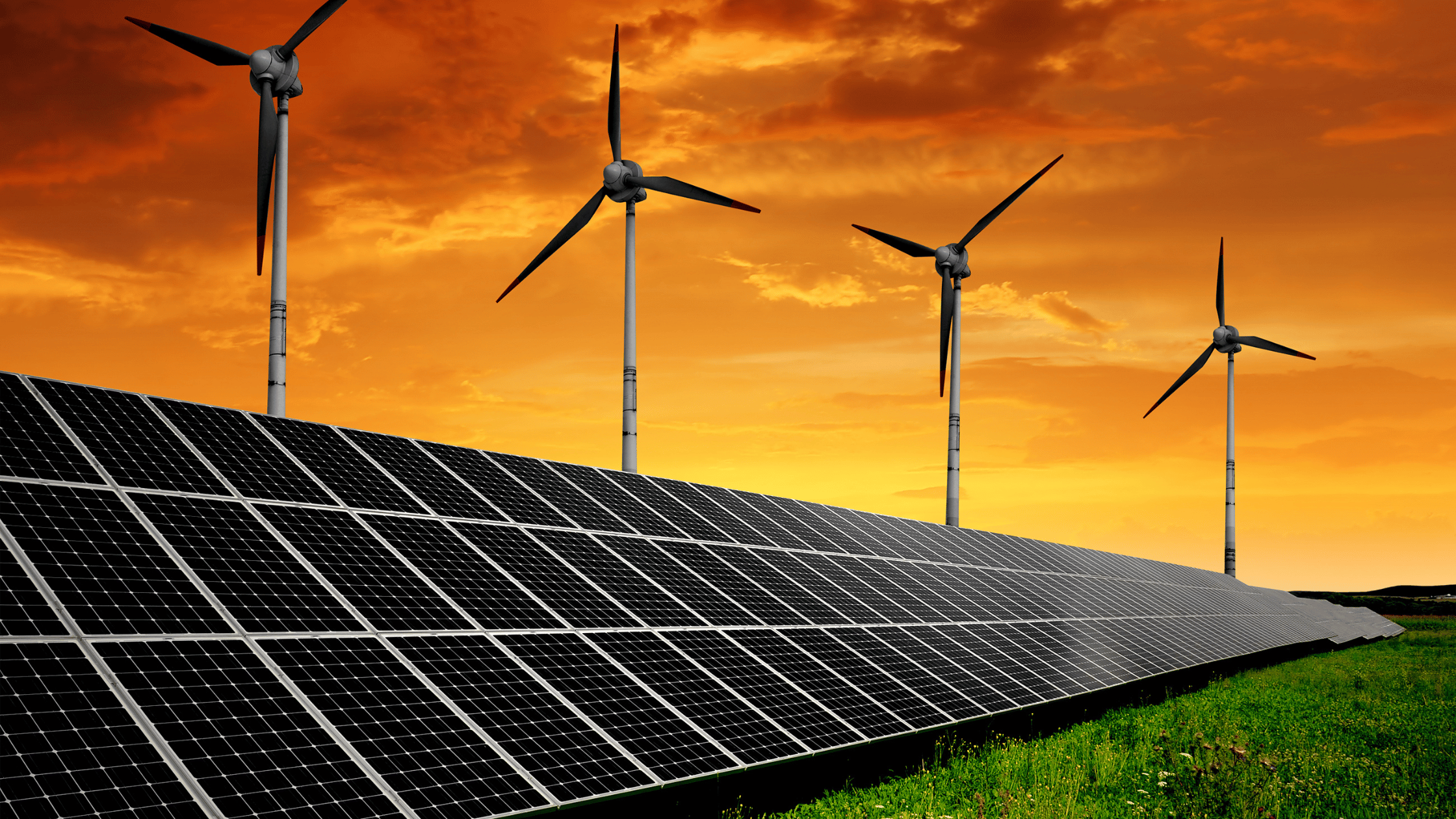
Is Solar Power Right for You? Exploring the Advantages and Disadvantages
In an age of rising energy costs and environmental awareness, many homeowners and businesses are asking a simple question: Is solar power right for me? Solar energy has grown exponentially in popularity across the globe, thanks to falling installation costs, attractive government incentives, and its reputation as a clean, renewable source of power.
But while the benefits of going solar are real and often significant, there are also some drawbacks that must be carefully considered. From financial and environmental impacts to location-specific challenges, the decision to switch to solar is not one-size-fits-all.
In this article, we’ll explore the key advantages and disadvantages of solar energy to help you make an informed decision about whether solar power is the right solution for your home, lifestyle, or business.
Advantages of Solar Power
☀️ 1. Clean and Renewable Energy Source
One of the most celebrated benefits of solar power is that it’s a clean, renewable energy source. Unlike fossil fuels such as coal or natural gas, solar energy doesn’t emit greenhouse gases or other pollutants during operation.
Benefits:
- Reduces your carbon footprint
- Helps combat climate change
- Does not deplete finite natural resources
Solar energy is available everywhere the sun shines, making it an accessible power source for most parts of the world.
💸 2. Lower Electricity Bills
Installing a solar power system can lead to significant long-term savings on electricity costs. Depending on your location, system size, and local electricity rates, you could reduce your bill by 50% or more—or eliminate it altogether.
How it works:
- Your solar panels generate electricity during daylight hours.
- That power is used directly in your home, reducing the amount you pull from the grid.
- In many cases, you can sell excess power back to the grid through net metering.
Over time, these savings can offset the initial cost of installation and continue delivering value for decades.
🏠 3. Increases Property Value
Studies have shown that homes equipped with solar systems sell faster and at higher prices than similar homes without them. Buyers are often willing to pay a premium for homes with lower utility bills and sustainable features.
Added benefits:
- Improves your home’s energy efficiency rating
- Attracts environmentally conscious buyers
- Can be a unique selling point in competitive real estate markets
🔧 4. Low Maintenance Costs
Solar panel systems are generally very low maintenance. Once installed, they require minimal upkeep:
- Occasional cleaning (especially in dusty or snowy areas)
- Periodic checks on the inverter and wiring
- Warranties of 20–25 years are common for panels
Inverters and batteries may require servicing or replacement every 5–10 years, but overall maintenance costs remain relatively low compared to traditional energy infrastructure.
🏛️ 5. Government Incentives and Tax Credits
Many governments offer generous incentives for solar power adoption, including:
- Federal or national tax credits
- State or regional rebates
- Utility-sponsored grants or performance-based incentives
These can reduce your system’s upfront cost by 20–50% depending on your country and local policies.
Disadvantages of Solar Power
🌧️ 1. Weather and Sunlight Dependence
Solar power relies entirely on sunlight, so its effectiveness varies by location and weather. While systems still generate energy on cloudy days, production is lower.
Challenges include:
- Less efficient in areas with frequent rain or snow
- Limited production in the winter months
- Nighttime power must be drawn from batteries or the grid
This dependence means solar might not be the best fit for homes in regions with limited sun exposure throughout the year.
💰 2. High Initial Investment
Despite falling costs over the past decade, solar panel systems still require a significant upfront investment.
Typical expenses:
- Solar panels
- Inverters and battery systems (optional but helpful)
- Installation and permits
- Roof modifications (if necessary)
Even with incentives, homeowners may spend $10,000–$25,000 for a full residential setup. While this cost is recouped over time through savings, it remains a barrier for many.
🧱 3. Space Requirements
The amount of electricity you generate is directly related to the number of panels you can install. This means you need adequate roof space or ground area.
Factors to consider:
- Roof orientation and tilt (south-facing in northern hemisphere is ideal)
- Shading from trees or buildings
- Structural integrity of the roof
For properties with limited space or architectural restrictions, solar installations may be less efficient or not feasible at all.
🔋 4. Battery Storage Can Be Expensive
To use solar power during the night or when the sun isn’t shining, you’ll need a battery storage system, which can add thousands to the total cost.
Pros of batteries:
- Backup power during outages
- More control over electricity use
- Reduces reliance on the grid
However, batteries:
- Have a limited lifespan (usually 5–15 years)
- Are expensive to replace
- Require specific installation and maintenance
Not every household will need one, but it’s a consideration for those aiming to be fully off-grid.
🏢 5. Manufacturing and Disposal Concerns
Although solar power is clean during operation, solar panel manufacturing involves energy-intensive processes that can generate waste and emissions.
Environmental concerns:
- Mining of raw materials (like silicon and rare earth elements)
- Use of chemicals in production
- Waste management at end-of-life for panels
That said, innovations in recycling and green manufacturing are helping to reduce these impacts.
Is Solar Power Right for You? Key Considerations
Before deciding whether solar power fits your needs, evaluate the following:
✅ When Solar Is a Good Fit:
- You own your home and plan to stay long-term
- Your roof gets consistent sunlight throughout the year
- Local electricity rates are high
- Your region offers strong solar incentives or tax credits
- You’re motivated by sustainability and long-term cost savings
🚫 When to Think Twice:
- Your roof is heavily shaded or needs repair
- You rent or plan to move soon
- You can’t afford the upfront investment or financing
- Your area has low solar performance due to geography or weather
Talking to a local solar installer for a personalized solar assessment can give you clarity on cost, feasibility, and projected savings based on your energy usage and location.
Conclusion: A Bright Idea for the Right Conditions
Solar power is one of the most promising technologies of our time—offering clean energy, long-term savings, and environmental benefits. But it’s not a perfect solution for everyone.
By understanding both the advantages and disadvantages of solar energy, you can make a confident and informed decision. For many, the investment pays off both financially and ethically. For others, alternative energy solutions may be more practical.
If you’re considering solar, now is a great time to act—incentives are generous, technology is more efficient than ever, and the sun isn’t going anywhere anytime soon.