The Greenhouse Effect Is Accelerating—What It Means for Human Life
In recent decades, our planet has been warming at an unprecedented pace. While many factors influence Earth’s climate, one central mechanism behind this rapid shift is the greenhouse effect—a natural process now intensified by human activity. Once a balanced system that helped maintain livable conditions, the greenhouse effect has become a runaway phenomenon with far-reaching implications.
As global temperatures rise, the consequences for human life are growing impossible to ignore. From health risks and food insecurity to economic instability and population displacement, the accelerating greenhouse effect touches every aspect of human society. This article explores how the greenhouse effect works, why it’s intensifying, and what it truly means for the future of humanity.
Understanding the Greenhouse Effect
The greenhouse effect refers to the process by which certain gases in Earth’s atmosphere trap heat from the sun. Without it, our planet would be a frozen wasteland. But too much of a good thing can become harmful.
How It Works:
- Solar radiation reaches the Earth’s surface.
- The Earth absorbs the energy and re-emits it as infrared (heat) radiation.
- Greenhouse gases like carbon dioxide (CO₂), methane (CH₄), nitrous oxide (N₂O), and water vapor trap some of this heat in the atmosphere.
- This trapped heat warms the planet’s surface and lower atmosphere.
While this natural system keeps Earth habitable, human activities—particularly burning fossil fuels and deforestation—are amplifying the effect, causing global temperatures to rise faster than ecosystems and societies can adapt.
Why the Greenhouse Effect Is Accelerating
In the past century, greenhouse gas concentrations have surged. Since the Industrial Revolution, CO₂ levels have increased by more than 50%, driven largely by coal, oil, and gas consumption.
Major Contributors:
- Energy production (electricity and heat from fossil fuels)
- Transportation (cars, planes, and ships)
- Agriculture (methane from livestock and rice paddies)
- Deforestation (fewer trees to absorb CO₂)
This increased emission load enhances the atmosphere’s ability to trap heat—creating a feedback loop:
- Warmer temperatures lead to more evaporation (more water vapor, a greenhouse gas).
- Melting ice reduces reflectivity (albedo), so more heat is absorbed.
- Thawing permafrost releases methane, further warming the atmosphere.
As this loop continues, the pace of global warming accelerates, bringing us to a climate tipping point.
Human Health at Risk
One of the most direct consequences of the greenhouse effect is its impact on human health.
Heatwaves and Heat-Related Illness
Rising temperatures mean more frequent and severe heatwaves. These can lead to:
- Heat exhaustion and heatstroke
- Cardiovascular strain
- Respiratory issues, especially in urban areas with poor air quality
Disease Spread
Warmer climates allow disease-carrying insects like mosquitoes to thrive in previously cooler regions. As a result:
- Diseases like malaria, dengue fever, and Zika are spreading to new areas.
- Changes in rainfall and temperature affect waterborne diseases, increasing risks of cholera and other infections.
Mental Health
Climate anxiety, loss of homes due to natural disasters, and food insecurity can also contribute to psychological stress, anxiety, and depression.
Food Security and Agricultural Disruption
The greenhouse effect threatens the very systems we rely on for food.
Crop Yields
- Droughts, floods, and unpredictable weather patterns reduce yields of staple crops like wheat, rice, and corn.
- Pests and plant diseases become more prevalent in warmer climates.
- Water scarcity in farming regions reduces irrigation capacity.
Nutrition Impact
Elevated CO₂ levels are shown to reduce the nutrient content of some crops—leading to lower levels of zinc, iron, and protein in grains and legumes.
Fisheries at Risk
Ocean warming and acidification affect marine ecosystems, causing:
- Coral reef die-offs (essential fish habitats)
- Decline in fish populations, especially in tropical and equatorial regions
With over 800 million people already food insecure, climate change is expected to exacerbate hunger and malnutrition, especially in developing countries.
Rising Sea Levels and Climate Refugees
Melting glaciers and thermal expansion are causing global sea levels to rise—already by over 20 cm since the early 1900s, with much more expected in coming decades.
Impacts:
- Coastal flooding and erosion threaten cities like Bangkok, Jakarta, and Miami.
- Saltwater intrusion damages freshwater supplies and farmlands.
- Displacement: Low-lying island nations and coastal regions may become uninhabitable, creating millions of climate refugees.
By 2050, it’s estimated that over 200 million people could be displaced by climate-related events. The social, political, and economic fallout from this migration is already being felt.
Economic Disruption and Global Inequality
As the greenhouse effect intensifies, so do the economic costs of inaction. Disasters like wildfires, hurricanes, and floods are growing in intensity and frequency—damaging infrastructure, reducing productivity, and draining public resources.
Disproportionate Impact
- Low-income countries contribute the least to greenhouse gas emissions but are the most vulnerable to its effects.
- Rural communities dependent on farming and fishing suffer from direct livelihood threats.
- Urban poor often live in heat islands with inadequate cooling or access to clean water.
Climate change is already deepening global inequality, placing an unfair burden on the world’s most vulnerable populations.
What Can Be Done?
While the consequences are serious, the greenhouse effect is not beyond our control. With urgent global cooperation and action, we can slow and eventually reverse its acceleration.
Key Strategies:
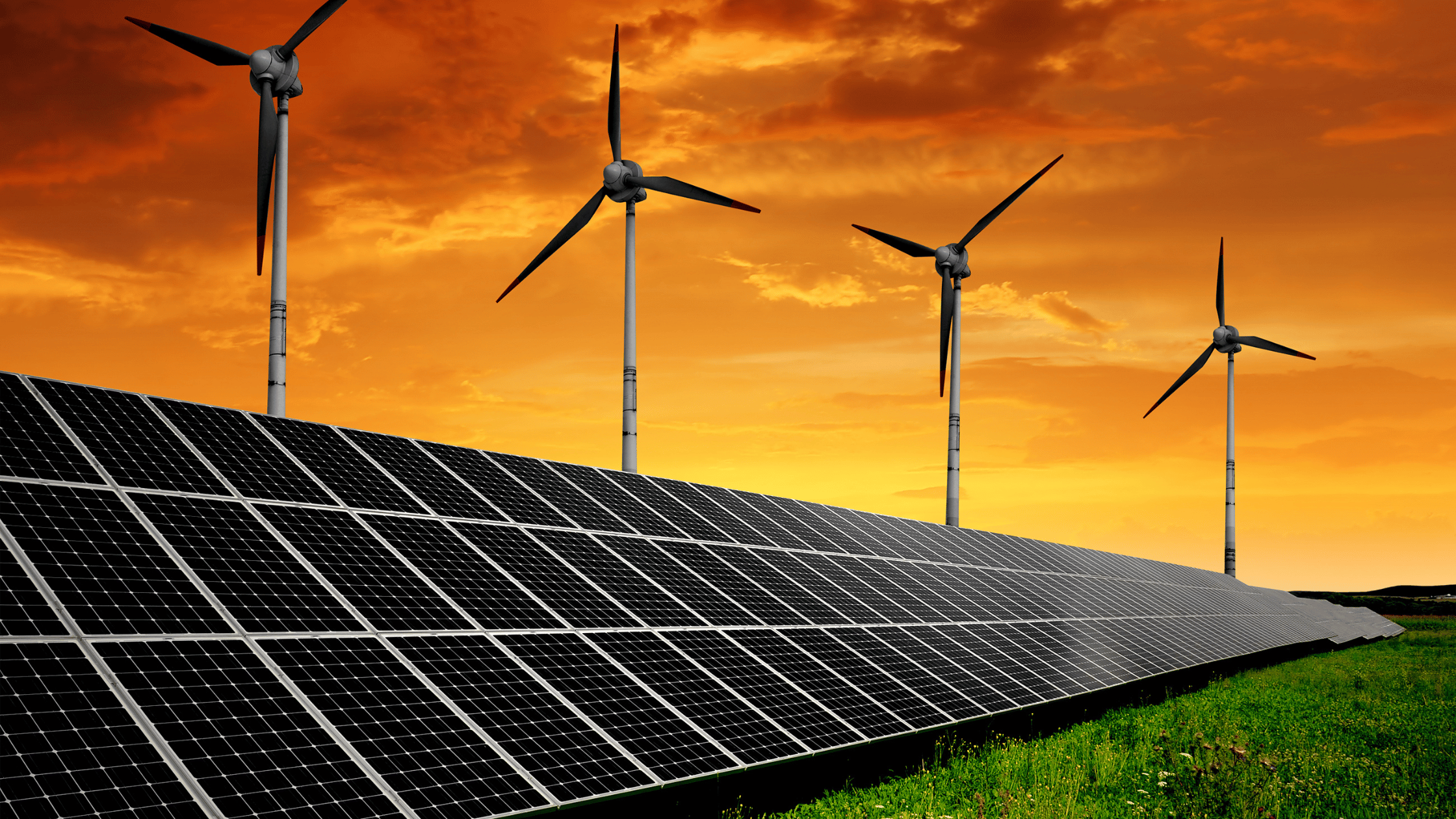
- Transition to renewable energy (solar, wind, hydro)
- Protect and restore forests, wetlands, and grasslands
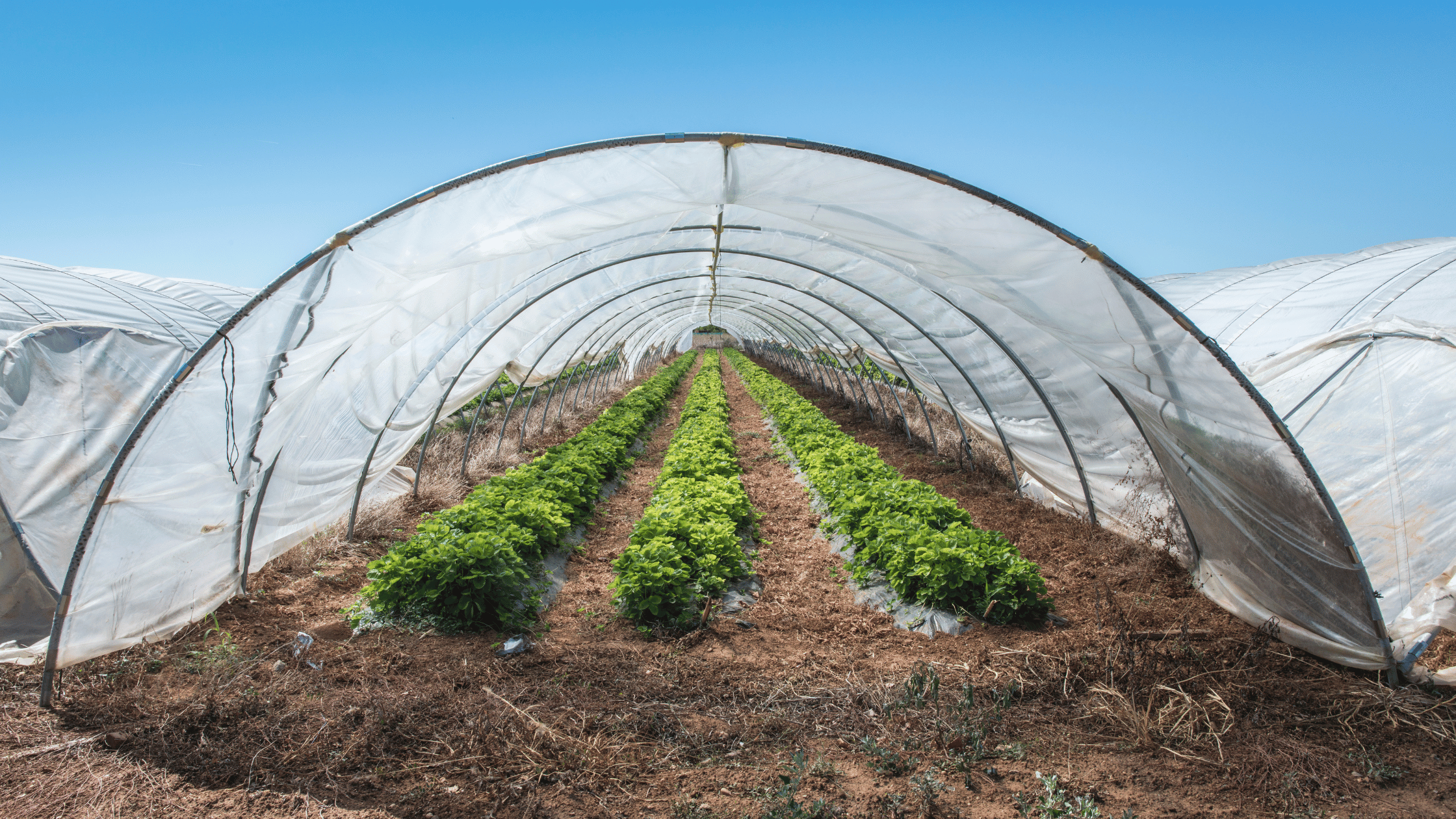
- Invest in sustainable agriculture and food systems
- Support clean transportation and urban planning
- Strengthen climate policy and international cooperation
Individuals can also make a difference by reducing meat consumption, lowering energy use, supporting green businesses, and raising awareness in their communities.
Conclusion: Humanity’s Crossroads
The accelerating greenhouse effect is not a distant threat—it’s a current reality already reshaping the way we live, work, and survive. From rising heatwaves to food insecurity and forced migration, the risks to human life are vast and interconnected.
But with that danger comes an opportunity. If we act decisively—guided by science, compassion, and sustainability—we can protect our planet and ensure a livable future for generations to come. The time to act is now.